
Can You Build a Duplex on a Narrow Block in Wollongong?
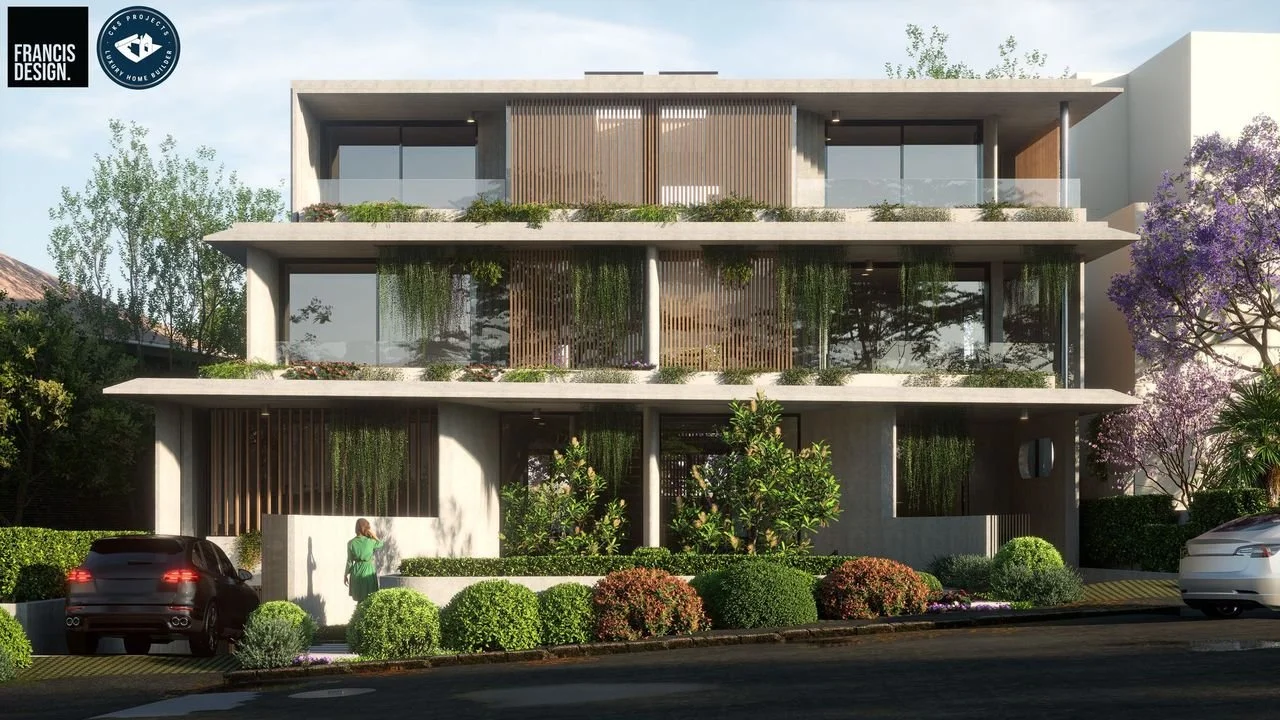
Yes, it's possible to build a duplex on a narrow block, but with conditions. After 25 years of building duplexes across Wollongong and the South Coast, I've designed countless solutions for narrow blocks that looked impossible initially.
A narrow block is typically under 10 metres in width but may still qualify for duplex designs if the lot has sufficient depth and access to services. At CKS Projects, we turn challenging, narrow sites into profitable duplex developments regularly. Let me show you what's actually possible.
Understanding Narrow Block Duplex Feasibility
Narrow block duplexes aren't universally feasible. Specific site criteria determine whether your block works for dual occupancy development.
Minimum Width Requirements for Wollongong
With as little as a 12-metre frontage, you may be able to build a duplex, though Wollongong Council requirements vary by zone and dwelling configuration.
Most R2 zones across Wollongong require a minimum 15-metre frontage for side-by-side duplexes. R3 zones sometimes allow 12-13 metre frontages with complying development certificate (CDC) pathways. Your block's specific zoning determines actual minimums.
Stacked or front-rear configurations handle narrower frontages better than side-by-side designs. An 11-12 metre narrow block might accommodate battle-axe style duplex where one dwelling fronts the street, the second sits behind, accessed via a driveway.
Depth matters enormously. A front and rear orientation can be a great choice for narrow blocks, especially where there is road access to both front and rear. Your 11-metre wide block needs 35-40 metres depth minimum for viable duplex development.
Council Zoning and Planning Controls

Most councils allow duplexes or dual occupancy designs for narrow blocks, depending on zoning, setbacks, minimum lot width, site coverage, and access requirements. Wollongong's controls present specific challenges.
Section 10.7 Planning Certificates reveal your block's development potential. Order these ($150-200) before committing to narrow block purchases. They specify permitted uses, height limits, and floor space ratios, all critical for feasibility.
Some Wollongong suburbs restrict duplex development entirely despite adequate block widths. Heritage conservation areas, environmental protection zones, and flood-prone land, these overlays kill duplex feasibility regardless of site dimensions.
CKS Projects assesses regulatory feasibility before design work begins. We've saved clients tens of thousands by identifying non-viable blocks early, before architect fees accumulate.
Site Depth and Access Considerations
Vehicle access and garages at the front of the site require careful planning to avoid dominant garage doors, particularly if double garages are proposed. Narrow blocks make this exponentially more challenging.
Your block needs adequate depth to accommodate dwelling footprints, required setbacks, outdoor spaces, and vehicle access. Minimum 30-metre depth for simple configurations, 35-40 metres for comfortable, liveable duplexes.
Service access matters critically. Sewer mains, water connections, and power infrastructure all need to be reached without prohibitive costs. Narrow blocks with services in rear lanes or secondary streets offer advantages over blocks requiring 40-metre service runs.
Sloping narrow blocks present additional complexity. Although you can sometimes save on land costs when comparing a sloping block with a level block, you need to be mindful that sloping blocks often attract extra site costs.
Design Solutions for Narrow Block Duplexes
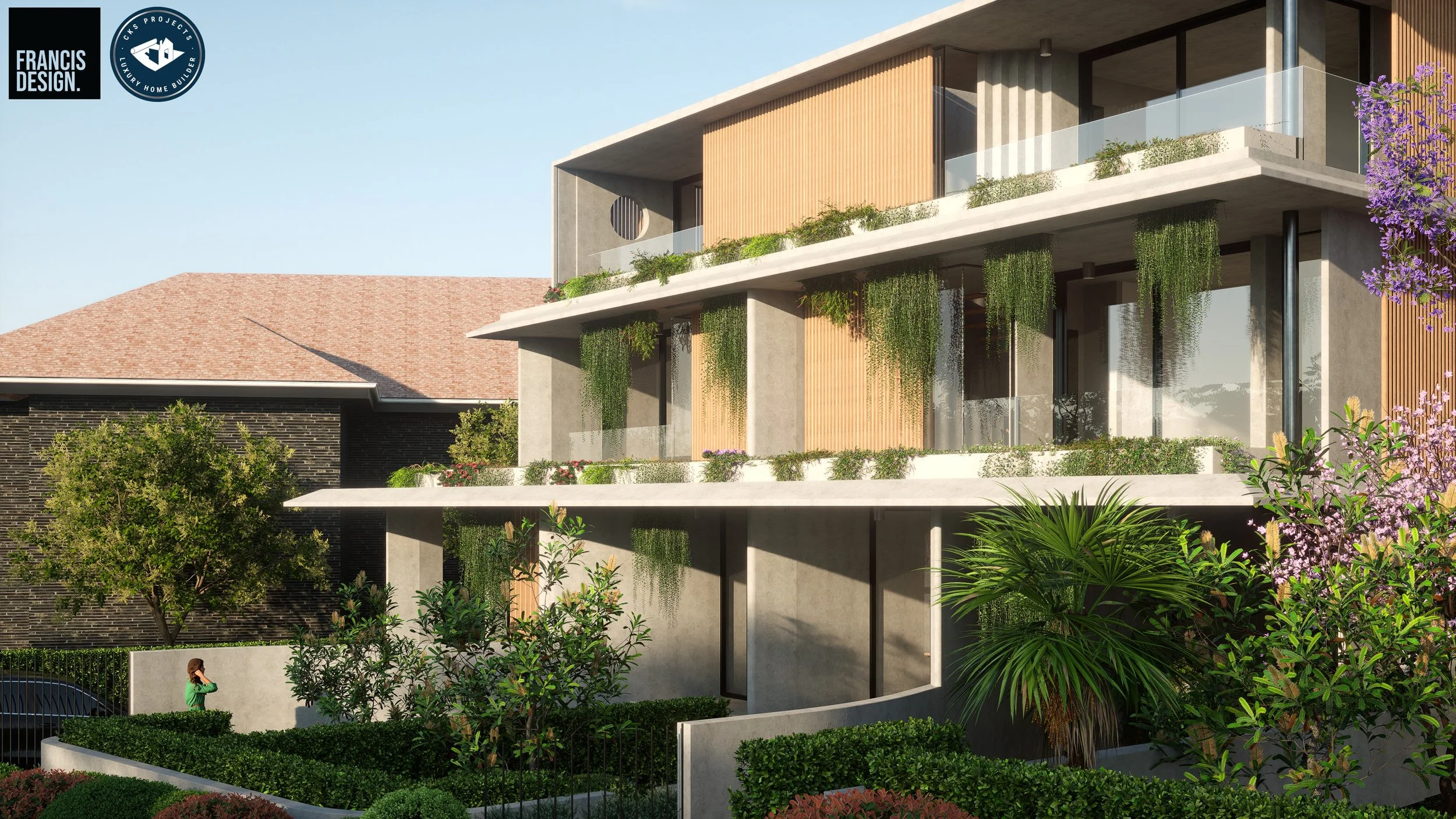
Smart duplex design transforms narrow block constraints into liveable, valuable dwellings. Experience matters enormously here.
Side-by-Side Versus Stacked Configurations
When it comes to duplex designs for narrow blocks, you'll often find yourself choosing between double-storey duplexes or single-storey designs. Each configuration suits different narrow block scenarios.
Side-by-side single-storey duplexes need 15+ metre frontages comfortably. Each dwelling gets 6.5-7 metres in width after setbacks and the common wall. This creates adequate bedroom sizes, functional kitchens, and reasonable living areas.
Double-storey duplexes, where a unit is above another, offer more space for truly luxurious living and can be a great way to maximise expansive vistas. Stacked configurations work on 10-12 metre narrow blocks where side-by-side layouts fail.
These narrow lot side-by-side designs are tailored to fit 9.55-metre widths, with rooms positioned well forward of garages to ensure the garage doesn't dominate the street view. CKS Projects uses similar strategies across Wollongong's established suburbs.
Two-storey side-by-side duplexes maximise narrow block potential while maintaining ground-floor living flexibility. Upper floors accommodate bedrooms and bathrooms, creating genuine family-sized homes on impossibly tight sites.
The right duplex design delivers value for both investors looking for reliable rental yield and capital growth, and homeowners wanting to reduce their cost of living. Three buyer types benefit particularly.
Maximising Natural Light on Tight Sites
High ceilings aren't just for luxury mansions—they work wonders in a narrow block duplex by drawing the eye upward and creating a sense of space and openness. Light becomes the critical design element.
Narrow block duplexes face limited opportunities for side windows due to setback requirements and neighbours' boundaries. North-facing living areas, highlight windows, internal voids; these strategies capture light vertically when horizontal options fail.
Double-height spaces in entries or living areas create drama and brightness that compensate for limited floor area. Your 120sqm dwelling feels 140sqm when designed with vertical volume and strategic glazing.
Courtyards between the front and rear sections bring light and ventilation into central areas. The use of a void between top floors can create vast open spaces and allow for more natural light and ventilation.
Smart Storage and Space-Efficient Layouts
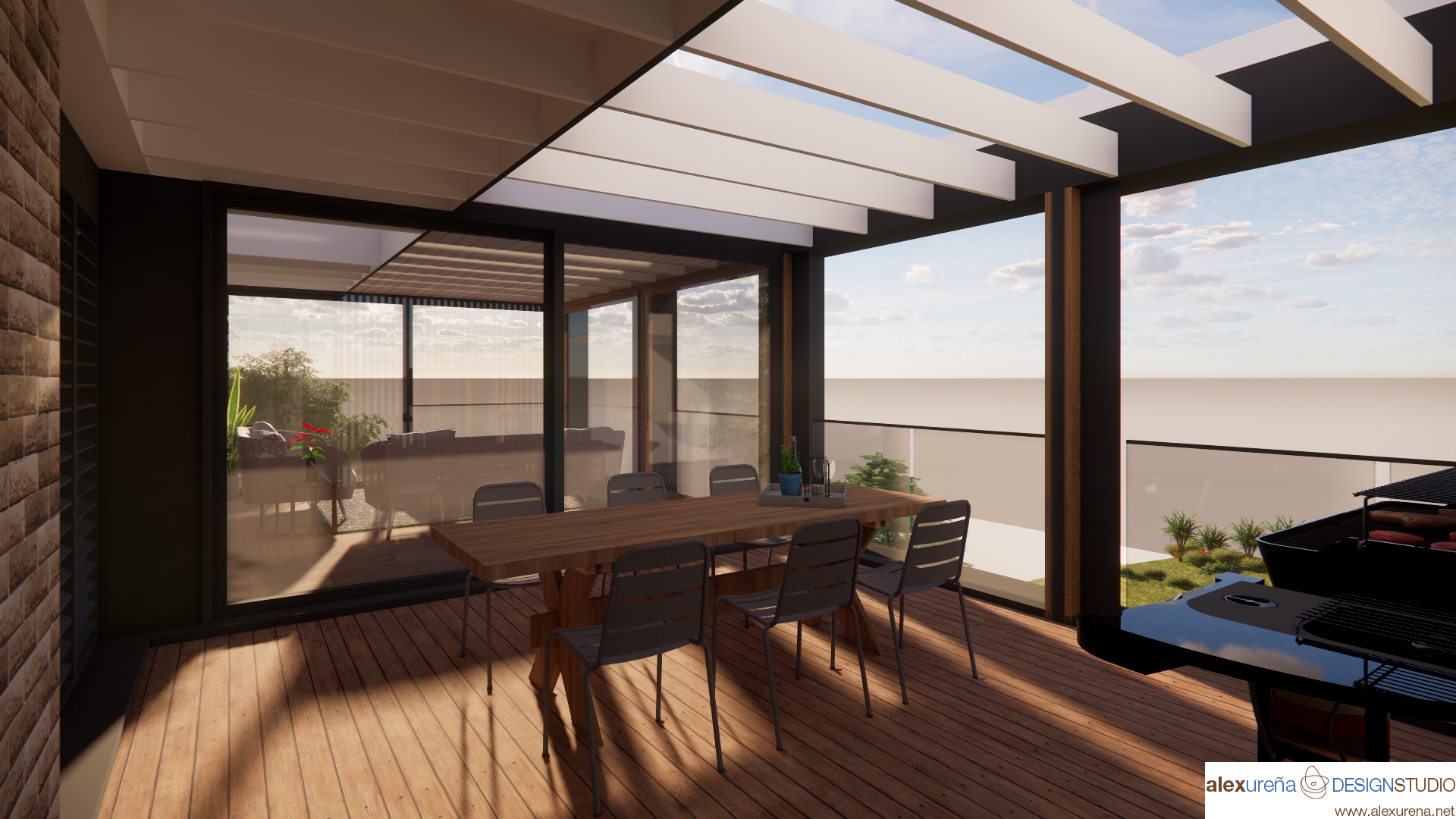
Incorporating smart storage solutions minimises clutter, with clever interior design elements and creative techniques overcoming most challenges associated with limited space. Every centimetre counts on narrow blocks.
Built-in wardrobes floor-to-ceiling maximise bedroom storage without consuming floor space. Under-stair storage, bulkhead storage above hallways, recessed shelving, these solutions hide clutter without dedicated rooms.
Open-plan living areas feel more spacious than compartmentalised layouts. Your kitchen, dining, and living zones flow together, creating perceived space that exceeds actual square metres significantly.
Multi-functional spaces work brilliantly in narrow duplex designs. Study nooks, breakfast bars, and fold-down desks, these features add functionality without dedicated rooms consuming precious floor area.
Overcoming Common Narrow Block Challenges
Narrow block duplexes present predictable challenges. Experienced builders know solutions that preserve liveability and value.
Vehicle Access and Parking Solutions
Car parking spaces can be at a premium, particularly in urban areas where finding parking at the front of your house may not be possible. Wollongong Council demands a minimum of two spaces per dwelling regardless of block width.
Tandem garages (one car behind another) work on narrow blocks but frustrate tenants who need frequent vehicle access. Single garages with additional tandem space represent acceptable compromises for rental properties.
Side-by-side garages on narrow blocks consume enormous street frontage. One option is a tandem garage layout where one car parks behind the other, or car stacker systems, which allow you to stack two cars vertically.
By incorporating a duplex design suited to your block, provision can be made for lock-up car spaces for all residents. CKS Projects positions garages strategically to meet requirements without dominating facades or consuming living space.
Privacy Between Dwellings on Limited Space
Narrow block duplexes place dwellings closer together than spacious sites allow. Privacy requires intentional design, not just regulatory compliance.
Single-storey dual dwellings offer the advantages of cost effectiveness as well as potentially greater privacy and a sense of separation from the other dwelling. Ground-level outdoor areas feel more private than balconies overlooking neighbours.
Window placement matters critically. Avoid aligning bedroom or living room windows directly across narrow spaces between dwellings. Offset windows, use highlight glazing, and orient living areas toward street or rear boundaries.
Acoustic separation protects privacy as much as visual screening. Quality insulation, double-stud walls with staggered framing, and acoustic underlay in floor systems. These specifications cost extra but deliver genuine liveability.
Separate outdoor zones with strategic fencing, screening plants, and level changes create psychological separation. Your narrow duplex tenants need outdoor privacy for long-term satisfaction.
Managing Setbacks and Building Footprint
Overall footprint regulations determine how much of your land can be covered by a building. Narrow blocks make achieving a minimum outdoor space particularly challenging.
Wollongong Council typically requires 30-40% of the site area as landscaped open space. On 400sqm narrow blocks, that's 120-160sqm of gardens, courtyards, driveways. Your building footprint can't exceed 240-280sqm total.
Side setbacks consume width dramatically. Standard 900mm side setbacks mean your 12-metre narrow block provides only 10.2 metres of usable building width. Common walls between duplex dwellings preserve this width by eliminating internal setbacks.
Front and rear setbacks vary by zone and street type. Busy roads require larger front setbacks (often 6+ metres), consuming depth that could accommodate dwelling length. Quiet streets allow 4-5 metre front setbacks, preserving buildable depth.
Making Your Narrow Block Duplex Financially Viable
Not every narrow block should become a duplex. Financial viability requires an honest assessment before committing.
Cost Considerations for Compact Sites
Duplex design options make it possible to build on a narrow lot whilst maintaining the key elements that make it a great investment option, but costs increase compared to standard blocks.
Construction efficiency drops on narrow sites. Material delivery challenges, limited site storage, and constrained trade access all add 5-10% to base construction costs. Your $800,000 duplex becomes $840,000-880,000 on challenging, narrow blocks.
Specialised design fees increase too. Narrow block duplexes need custom architecture maximising every centimetre. Budget $20,000-35,000 for quality architectural services versus $15,000-25,000 for standard block designs.
Site works costs surprise many first-timers. Rock excavation on narrow access, retaining walls along tight boundaries, complex drainage solutions, these add $20,000-40,000 to budgets compared to straightforward sites.
Rental Appeal of Well-Designed Narrow Duplexes
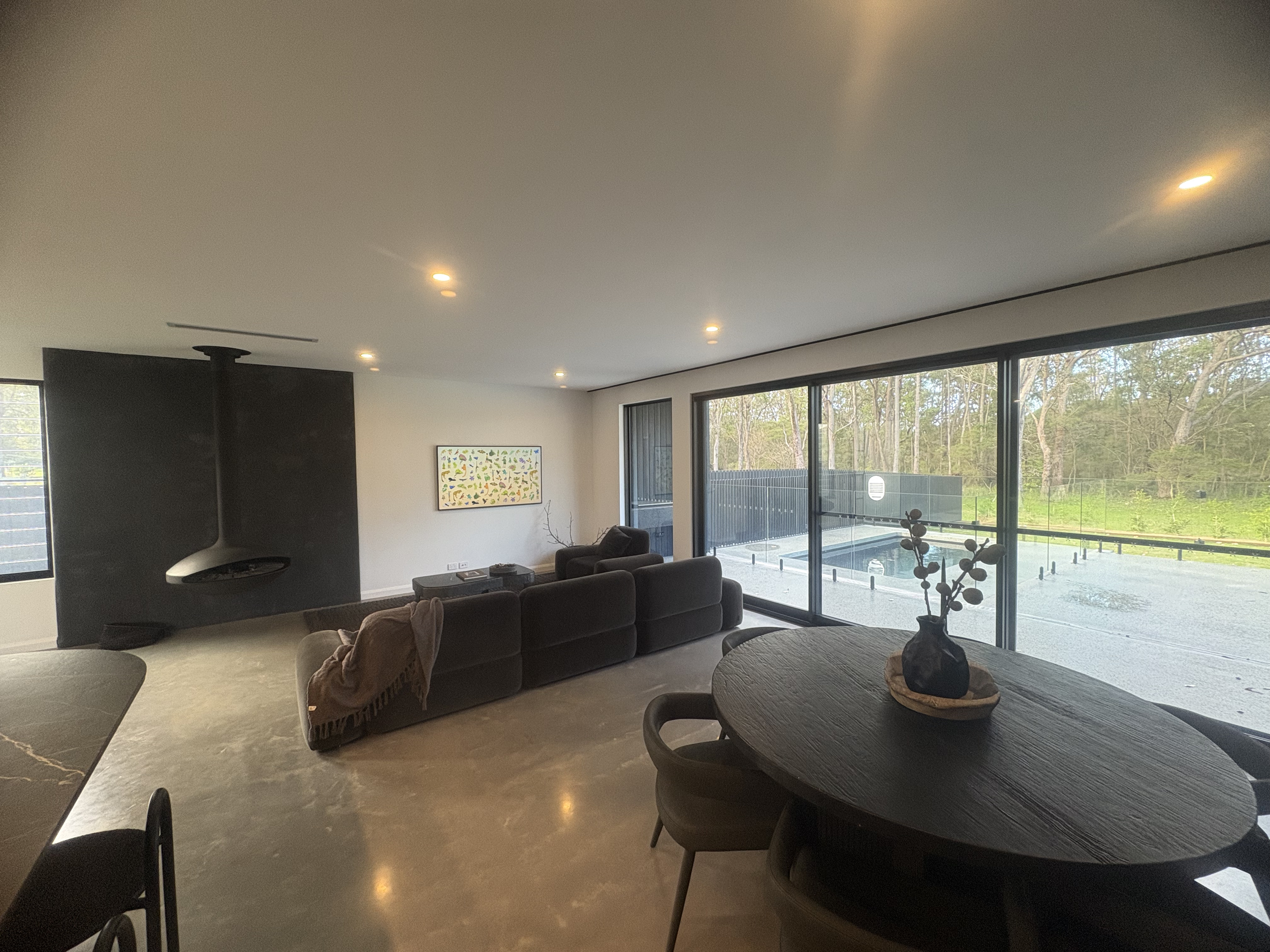
Despite the smaller square footage of a narrow plot, smart interior design elements and creative techniques yield beautiful modern living spaces that are light, spacious, and practical. Quality design commands premium rents.
Well-executed narrow block duplexes in Wollongong rent comparably to standard block equivalents. Tenants value location, finish quality, and functionality over site width. Your 110sqm narrow block dwelling rents similarly to 120sqm standard block dwelling when designed properly.
Parking matters more than block width for rental appeal. Tenants need secure, convenient vehicle access. Tandem garages are acceptable; street parking is unacceptable. Solve parking properly, and rental demand follows.
Low-maintenance narrow block duplexes particularly appeal to professional tenants and downsizers. Minimal garden maintenance, secure parking, and modern interiors: these features drive rental decisions more than land area.
When a Narrow Block Doesn't Make Sense
Not all narrow blocks are suited to duplexes for a whole lot of reasons, and duplex designs for narrow blocks need to satisfy strict State and local council regulations. Know when to walk away.
Blocks under 10 metres wide rarely work economically in Wollongong. Development costs increase while building value decreases due to cramped layouts. Your development margin disappears entirely on sub-10-metre blocks.
Severe slopes on narrow blocks create cost blowouts that kill viability. Retaining walls, complex drainage, and multi-level construction all compound when combined with width constraints. Flat, narrow blocks work; steep, narrow blocks rarely do.
Heritage overlays, conservation zones, or environmental constraints make narrow block duplexes unviable regardless of dimensions. Council approval becomes impossible or so time-consuming that holding costs destroy returns.
CKS Projects specialises in narrow block duplex design throughout Wollongong and the South Coast. Our years of experience mean we've solved every narrow site challenge imaginable. We assess feasibility honestly before design work begins, create space-efficient layouts that maximise liveability, and deliver duplexes that tenants love and investors profit from. We know which narrow blocks work and which don't.
Ready to discover if your narrow block can support a profitable duplex? Let's assess your site properly.
Disclaimer
The information in this blog post is provided for general guidance only. It should not be taken as definitive planning advice or a substitute for professional assessment and formal quotes. Narrow block duplex feasibility varies significantly based on specific site conditions, council zoning, local planning controls, and individual circumstances. Minimum width requirements, setback regulations, and development potential mentioned are indicative examples and may differ for your specific property. For accurate feasibility assessments, regulatory compliance advice, and detailed cost estimates based on your specific narrow block in Wollongong, we recommend contacting CKS Projects directly for a comprehensive site evaluation and formal consultation.
About the Author
Keiron Moore is the Director of CKS Projects with over 25 years of experience building duplexes across Wollongong and the South Coast. He specialises in narrow block duplex design, helping clients maximise challenging sites through creative solutions, efficient layouts, and designs that deliver strong rental returns despite width constraints.
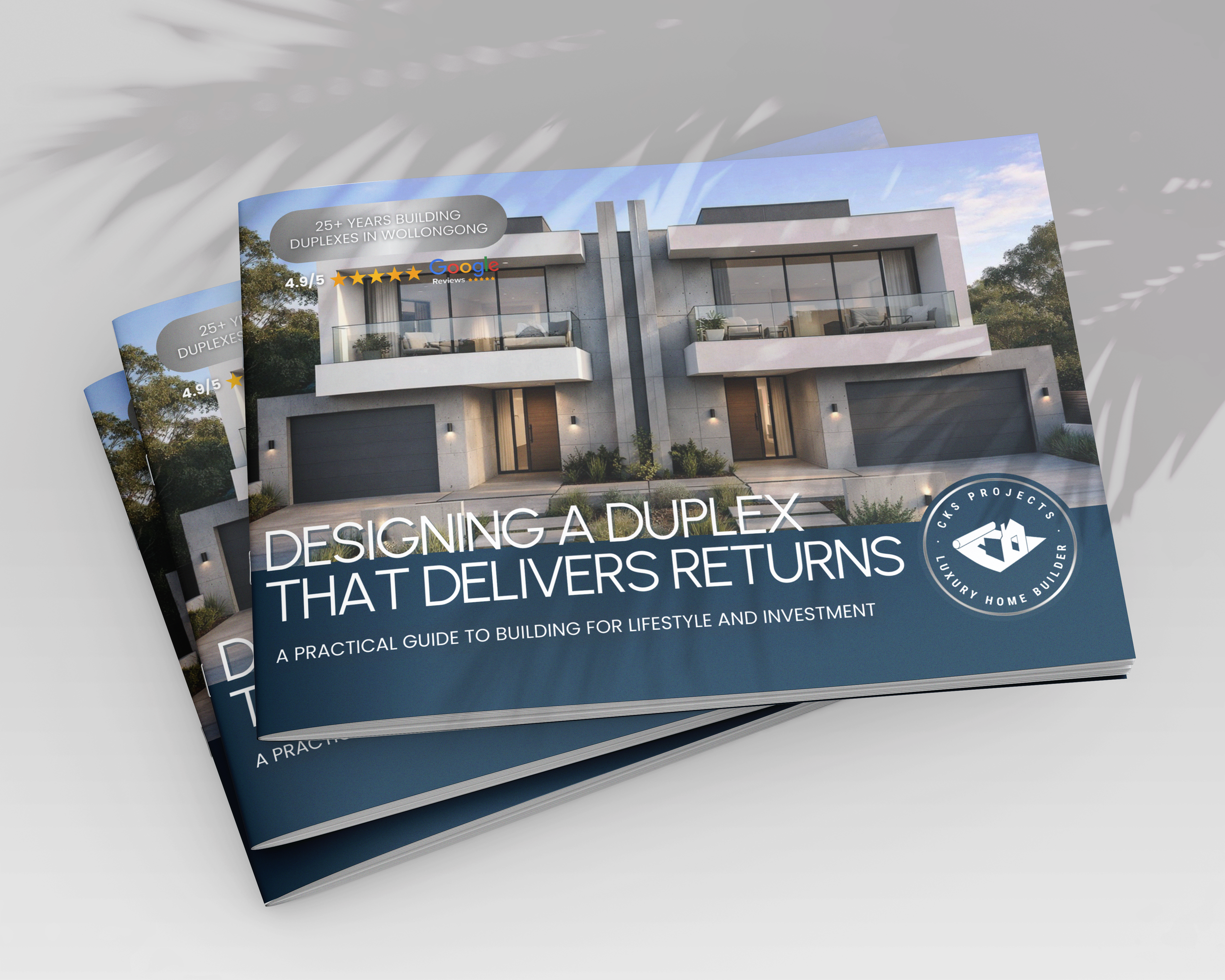
Designing a Duplex That Delivers Returns
Whether you're looking to live in one and rent the other, build for extended family, or maximise your land’s potential, this guide will help you avoid costly mistakes and make confident decisions.
